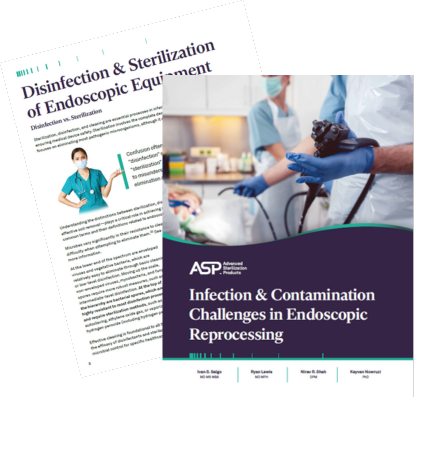
Infection & Contamination Challenges in Endoscopic Reprocessing
Create a free account to access all information→Endoscope reprocessing plays a vital role in infection prevention, especially for high-risk procedures involving the gastrointestinal and respiratory tracts. Minimally invasive advances for procedures does not mean minimal infection risk. The complexity of endoscope design—paired with frequent reuse—makes thorough cleaning and sterilization a major challenge. This in-depth review consolidates current research and outlines where today’s practices fall short, especially for intricate devices like duodenoscopes and Endoscopic Retrograde Cholangiopancreatography (ERCP) procedures.
Common Endoscope Reprocessing Challenges

For sterile processing departments (SPDs), endoscopy labs, and infection prevention teams, staying abreast of evolving guidelines and technologies is critical. This white paper explores persistent challenges such as biofilm formation, device material compatibility, and Multi Drug Resistant Organisms (MDRO) transmission—and highlights opportunities to strengthen protocols, adopt sterilization over high-level disinfection, and improve the margin of safety for patients.
In this white paper, you’ll learn:
- Where current reprocessing protocols may fall short
- Innovations in sterilization, including hydrogen peroxide gas plasma (HPGP)
- How biofilm and MDROs affect patient safety and compliance
- When sterilization may be more effective than high-level disinfection
- Strategies for preserving instrument integrity without increasing environmental harm
Do the right thing for your patients and staff by staying informed and prepared.